
Listen Here:
Click or simply search “Sigma Nutrition” on your podcast platform of choice.
Or listen directly on the Sigma website here.
Introduction
In this episode, Dr. Matthew Facciani explores how social psychology influences health beliefs and the spread of misinformation. The conversation delves into why people adopt certain nutrition or health beliefs so strongly, how identity and group membership shape our interpretation of evidence, and what makes us susceptible to false or misleading health claims.
Dr. Facciani’s interdisciplinary background (spanning neuroscience, psychology, and sociology) allows him to offer a unique evidence-informed perspective on these issues. The episode centers on understanding the social forces behind health-related attitudes and how we might improve communication and critical thinking in the face of rampant misinformation.
This topic is highly relevant for health professionals and researchers because misinformation about nutrition, health, and medicine can lead to poor decisions, vaccine hesitancy, or harmful fad diets. By understanding the psychological drivers that cause people to cling to unscientific beliefs, practitioners can better address patients’ concerns and correct false claims.
Related resources
- Join the Sigma newsletter for free
- Subscribe to Sigma Nutrition Premium
- Enroll in the next cohort of our Applied Nutrition Literacy course
- Matthew’s book: ‘Misguided’
- Matthew’s academic publications
- Recommended episode: #365: David Robert Grimes, PhD – Conspiracy Theories & Bad Information: Why Are We Susceptible?
- [01:41]Interview start
- [06:57]The role of identities in belief formation
- [16:01]Health attitudes and political identities
- [25:28]Improving dialogue and addressing misinformation
- [31:59]Does fact-checking work?
- [35:41]Media literacy and pre-bunking
- [44:03]Optimism and pessimism for the future
- [52:28]Key ideas segment (premium-only)
Guest Information
Click through to your app of choice to listen and subscribe:

He is an interdisciplinary social scientist with a background in neuroscience and psychology and holds a PhD in sociology.
His research focuses on media literacy, misinformation, social networks, political polarization, identities, and artificial intelligence.
Through his research and public engagement, Matthew strives to bridge the gap between academia and everyday conversations about truth, trust, and media literacy.
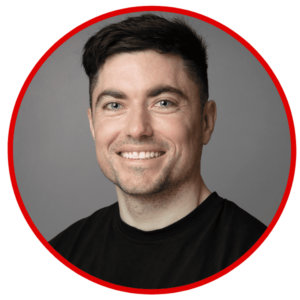
Danny Lennon has a master’s degree (MSc.) in Nutritional Sciences from University College Cork, and he is the founder of Sigma Nutrition.
Danny is currently a member of the Advisory Board of the Sports Nutrition Association, the global regulatory body responsible for the standardisation of best practice in the sports nutrition profession.
Introduction to this Episode
In this episode, Dr. Matthew Facciani explores how social psychology influences health beliefs and the spread of misinformation. The conversation delves into why people adopt certain nutrition or health beliefs so strongly, how identity and group membership shape our interpretation of evidence, and what makes us susceptible to false or misleading health claims.
Dr. Faccianiʼs interdisciplinary background (spanning neuroscience, psychology, and sociology) allows him to offer a unique evidence-informed perspective on these issues. The episode centers on understanding the social forces behind health-related attitudes and how we might improve communication and critical thinking in the face of rampant misinformation.
This topic is highly relevant for health professionals and researchers because misinformation about nutrition, health, and medicine can lead to poor decisions, vaccine hesitancy, or harmful fad diets. By understanding the psychological drivers that cause people to cling to unscientific beliefs, practitioners can better address patientsʼ concerns and correct false claims.
About The Guest
Matthew Facciani is a postdoctoral researcher at The University of Notre Dame in the
Computer Science and Engineering Department. He is an interdisciplinary social scientist with a background in neuroscience and psychology and holds a PhD in sociology.
His research focuses on media literacy, misinformation, social networks, political polarization, identities, and artificial intelligence.
Through his research and public engagement, Matthew strives to bridge the gap between
academia and everyday conversations about truth, trust, and media literacy.
Useful Terminology for this Episode
- Social identity: An individualʼs sense of self based on group memberships or affiliations (e.g. political party, diet community). Identities supply self-esteem and values, and people are motivated to act in ways that reinforce their groupʼs beliefs.
- Confirmation bias: A cognitive tendency to favor information that confirms oneʼs existing beliefs or identity, while disregarding or downplaying contradictory evidence. This bias can make it hard to accept new information that challenges our viewpoints.
- Misinformation: False or misleading information that spreads regardless of intent. In health contexts, misinformation can include unfounded claims about diets, vaccines, or cures that people may believe to be true. (By contrast, disinformation refers to false information spread deliberately to deceive.)
- Prebunking: A proactive strategy to combat misinformation by exposing people to tactics of deception before they encounter false claims. Prebunking often involves teaching people how misinformation works (through examples or games), so they recognize and resist misleading arguments in the future.
- Lateral reading: A fact-checking approach where one evaluates a piece of content by looking for information beyond the initial source. Instead of reading an article straight down (“vertical” reading), you open new tabs to investigate the authorʼs credentials, the websiteʼs reputation, funding sources, or what other sources say about the same topic. This skill helps determine credibility.
- Social determinants of health: The societal and economic conditions (e.g. income, education, neighborhood, access to healthcare) that influence individual and group health outcomes. These factors are often outside an individualʼs personal control, yet they play a major role in health – an important concept when discussing personal responsibility versus broader policy in health.